


Triunfo
Insurance Claims
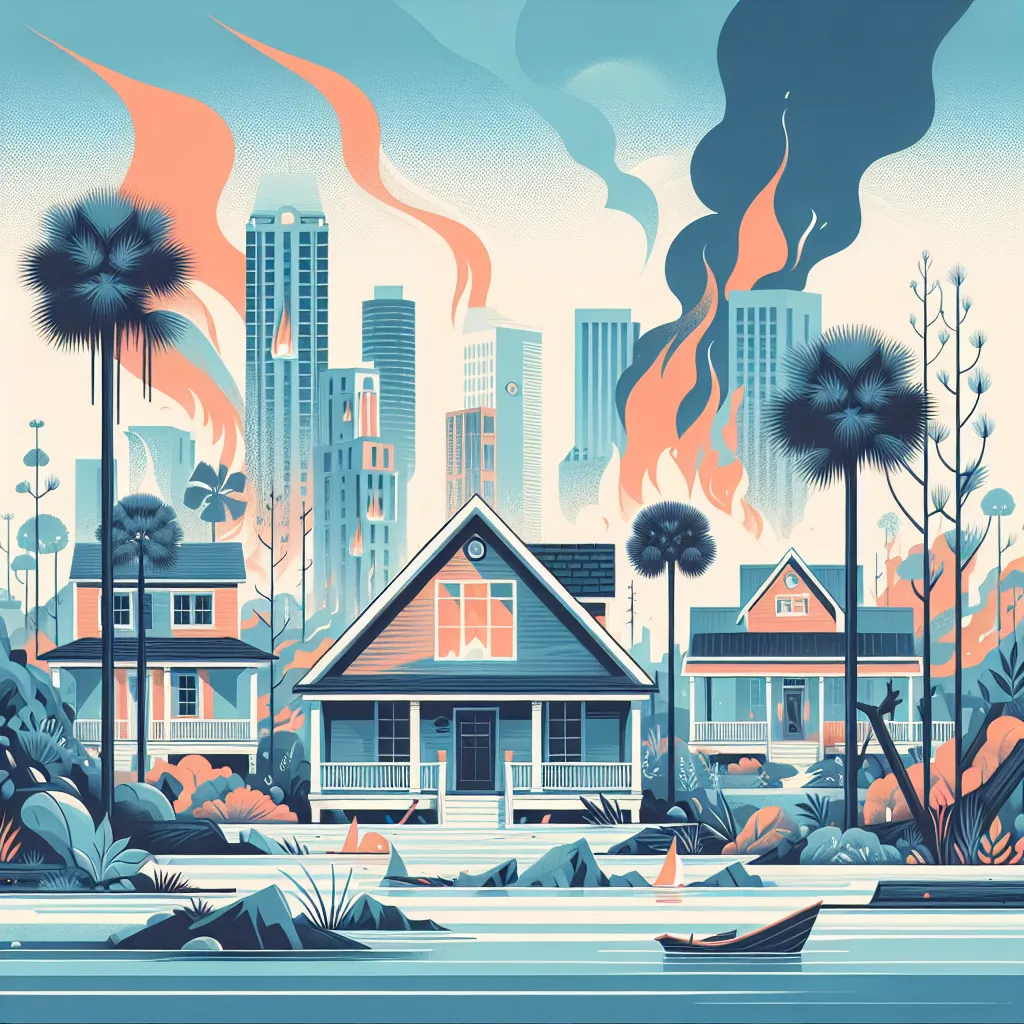
Can Home Insurance Exclude Fire Damage? What Florida Homeowners Need to Know
Meta Description: Can your home insurance drop fire coverage? Learn what wildfire exclusions elsewhere may mean for Florida policyholders. Insider tips from a Public Adjuster Florida.
Can Home Insurance Exclude Fire Damage? What Florida Homeowners Need to Know
When disaster strikes, homeowners expect their insurance to be there for them — especially when it comes to something as destructive as fire. But what if your policy one day no longer includes fire damage at all?
That’s not hypothetical anymore. While it may sound shocking, a growing number of U.S. states are considering — or have already passed — legislation allowing insurance companies to exclude wildfire damage from standard homeowners policies. Nevada recently made headlines by approving such a law, potentially setting a precedent other states could follow.
So what does this mean for a Florida homeowner?
In this post, we’ll break it all down:
- What’s happening in states like Nevada and California
- Why this matters even in non-wildfire states like Florida
- How Florida’s unique weather risks impact your coverage
- Real-world examples of how coverage exclusions work
- What you can do to protect your property and avoid coverage surprises
Let’s dive in.
What Happened in Nevada, and Why It Matters
In a surprising move, Nevada lawmakers passed legislation (A.B. 376) that lets insurance companies exclude wildfire coverage from standard homeowners insurance policies. Now, carriers in that state can file policy forms that specifically leave out wildfire damage.
Meanwhile, in wildfire-prone California, the situation is reversed — insurers must still provide basic fire coverage, even as the insurance industry struggles to stay profitable in high-risk zones.
At first glance, this might feel like a West Coast issue. But where one state goes, others often follow. And while Florida doesn’t battle wildfires at the scale of the western U.S., we face our own challenges — intense storms, soaring heat, and a unique insurance market already under pressure.
So here’s the big question for Florida homeowners: Could fire damage exclusions, or similar narrowed coverage, spread here too?
Let’s explore.
Fire Damage Insurance in Florida: More Relevant Than You Think
In Florida, we’re no strangers to property threats — hurricanes, tropical storms, floods, water damage, mold outbreaks… the list goes on. While wildfires aren’t typically top of mind, fire itself remains a real and dangerous threat.
From lightning strikes during summer storms to faulty wiring in older homes, structure fires happen more often than you’d think.
Consider this:
A homeowner in Ocala has a small electrical fire in the attic due to an outdated breaker panel. Flames damage the roof structure, smoke fills the home, and even areas untouched by flames are rendered unlivable.
That homeowner expects their insurance to help rebuild — but what if the policy had quietly removed or narrowed fire coverage? It would be devastating.
Coverage Gaps: The Hidden Danger Lurking in Policies
Here’s an analogy: Think of your homeowners insurance like a safety net. If your house suffers damage from a covered risk — a “peril” like wind, water, or fire — the net catches you.
But insurers can shrink or snip holes into that net over time — with exclusions, sublimits, and fine-print clauses. And if you don’t read closely (or have someone reviewing it for you), you might not realize your net has gaps until you fall through it.
We’re already seeing this happen in Florida with:
- Water damage sublimits — e.g., $10,000 caps on water claims
- Mold exclusions — or extremely limited coverage
- Denials over “wear and tear” language when a storm caused the issue
So if Florida insurers ever push for fire exclusions or limitations, it wouldn’t be the first time vital coverage was quietly reduced.
How Florida Homeowners Could Be Caught Off Guard
Imagine you’ve had the same policy for 10 years with a reliable carrier. You just auto-renew each year, trusting everything’s covered.
Now suppose, like in Nevada, your insurer one day updates your renewal to exclude certain perils — maybe not wildfire explicitly, but finer distinctions like “external fire exposure” or “brushfire zones.” You might not notice the language change hidden in a stack of paperwork.
Fast forward — a candle causes a house fire in your Naples home. You file a claim, only to hear:
“This type of fire isn’t covered under your current policy form.”
Wait…what?
Unfortunately, stories like this aren’t far-fetched.
Florida's Landscape: Different Risk, Similar Trend
Florida doesn’t have the terrain or dry air that fuels massive western wildfires. But that doesn’t make us immune to fire exclusions — because the larger trend is about insurance companies limiting their exposure to unpredictable losses.
As carriers face increased litigation, huge payouts, and weather volatility (hello, hurricanes), they look for ways to control risk. One avenue? Selective coverage exclusions.
- They may stop offering comprehensive coverage in zip codes near dense vegetation.
- Or begin tiering policies based on proximity to forest preserves — like parts of Central Florida or the Everglades border regions.
- Some may condition renewal upon "fire mitigation upgrades," like new wiring or roof materials (already happening with wind and water).
Bottom line: Fire damage exclusions aren’t just about wildfires. They’re about carriers reshaping risk — and Florida homeowners need to stay alert.
Making Sense of Insurance Jargon: “Fire” vs. “Wildfire”
Let’s clear up a common confusion.
Many homeowners think: “Wildfires? That’s out west. Doesn’t apply to me.”
But here’s the problem:
Insurance policies often do a poor job clearly defining what they mean by terms like “fire,” “wildfire,” or “brushfire.” It’s not unusual for a dispute to arise over what category a specific fire fits.
For example:
- A fire spreads from a neighbor’s overgrown lot.
- A grill mishap causes a deck fire.
- A lightning strike sparks a small fire in a detached garage near trees.
Depending how your policy is worded, you could see a denial if the insurer argues it counts as an “external vegetation fire” or falls within an exclusion zone.
Let that sink in.
How to Protect Yourself Before a Loss Happens
The best time to fix coverage problems is before you need to file a claim. Here’s what smart Florida homeowners should do now:
✅ Review Your Policy, Line by Line
Don’t assume “fire” is covered. Look for any exclusions around:
- Wildfire
- Brushfire
- Smoke damage
- External/vegetation fires
- Radiant heat
If you see vague or confusing language, ask questions — or consult a Public Adjuster in Florida who understands these subtleties.
✅ Get a Full Risk Assessment
Florida has unique geographic and weather concerns. Ask:
“Is my home in a zone insurers may label as high fire risk — even if I wouldn’t think of it that way?”
Tree density, distance from fire departments, even building materials can all influence coverage decisions.
✅ Don’t Assume Your Agent Caught Everything
Insurance agents are great resources — but they may not always dig into the policy language with you. A second opinion never hurts.
What to Do If You Suspect Coverage Was Removed or Changed
Think your insurer pulled the rug out with a quiet policy revision? Don’t panic — but don’t wait, either.
- Request full documentation. Ask your insurer for the exact declarations and policy forms — both old and new.
- Look for red flags. Any new exclusions added? Language narrowed compared to previous years?
- Talk to a Public Adjuster. We know the tricks and tactics insurers use to deny or limit payout. We can help interpret your rights and advocate on your behalf.
Final Thoughts: The Fine Print Matters More Than Ever
Florida homeowners face enough stress dealing with storms, leaks, and roof damage. The last thing you need is to discover too late that a critical peril like fire is no longer covered.
Whether it’s wildfire exclusions spreading from other states, or local carriers tweaking language to avoid claims, you need to stay vigilant.
That’s where we come in.
Get Insurance Claim Help Today
Don’t fight the insurance company alone. Whether you’re dealing with a new claim, a denied claim, or just trying to make sure you’re properly covered — we can help.
Call us today at [Insert Phone Number] for a free claim review.
As your trusted Public Adjuster Florida team, we work for YOU — not the insurance company.
Frequently Asked Questions (FAQ)
1. Is fire damage automatically covered under my Florida homeowners insurance?
Typically, yes. Fire is a commonly covered peril — but you must double-check your current policy. Newer forms may include exclusionary language or specific limitations.
2. What’s the difference between fire and wildfire coverage?
Wildfire refers to fires that start in undeveloped areas and spread rapidly, especially under dry and windy conditions. Some insurers attempt to categorize external or vegetation-related fires separately from internal structure fires.
3. Can my insurance company remove fire coverage without telling me?
Insurers are required to disclose changes at renewal, but many homeowners overlook small print. Always review new policy documents carefully each year — or get a policy review from a Public Adjuster.
4. What should I do if my fire damage claim is denied?
Don’t accept the denial outright. Denials can often be appealed. A Public Adjuster can review the reasoning and fight for a fair settlement on your behalf.
5. How can a Public Adjuster Florida help me before I have a claim?
We analyze your current policy, point out any risky exclusions, and recommend changes. Think of it as claim prevention — not just claim recovery.
Reference: This article was inspired by a piece from Derek Chaiken. You can read the original post here.

Contact Info
Address:
601 21st St #300
Vero Beach Florida 32962
Business hours:
Mon - Fri: 9AM - 5PM
Emergency: 24hrs
Phone number:
+ 1 (772) 362-5448
Email Address:


Javier Pineda is a licensed Public Adjuster lic#W593576 THIS IS A SOLICITATION FOR BUSINESS. IF YOU HAVE HAD A CLAIM FOR AN INSURED PROPERTY LOSS OR DAMAGE AND YOU ARE SATISFIED WITH THE PAYMENT BY YOUR INSURER, YOU MAY DISREGARD THIS ADVERTISEMENT.
@ 2025 Triunfo Insurance Claims. All Rights Reserved
Find out how much you should get in your settlement with our professional estimate. Start with a free inspection. As public claims adjusters, we will help you.
Contact Info
Address:
601 21st St #300
Vero Beach Florida 32962
Business hours:
Mon - Fri: 9AM - 5PM
Emergency: 24hrs
Phone number:
+ 1 (772) 362-5448
Email Address:
Javier Pineda is a licensed Public Adjuster lic#W593576 THIS IS A SOLICITATION FOR BUSINESS. IF YOU HAVE HAD A CLAIM FOR AN INSURED PROPERTY LOSS OR DAMAGE AND YOU ARE SATISFIED WITH THE PAYMENT BY YOUR INSURER, YOU MAY DISREGARD THIS ADVERTISEMENT.
Privacy Policy
@ 2025 Triunfo Insurance Claims. All Rights Reserved